
GROWTH WITHOUT EXPANSION - Guy Wieynk, Michael Semp, Oliver Bradley & Lara Ballard
Episode 6 - ELEPHANT IN THE BOARDROOM
Bigger teams, more offices, higher headcount. For decades, that's been the agency scoreboard. This roundtable started by putting that scoreboard on the table and asking whether any of it actually counts as growth.
Four guests, four different answers. Guy Wieynk bet half his agency's revenue on licensing instead of services. Michael Semp is defending quarterly numbers to private equity in a flat market. Oliver Bradley hit hypergrowth and admitted it pulled him away from his own founding values. Lara Ballard built her agency's entire commercial strategy around refusing to grow that way in the first place.
The Bet on Licensing
Guy Wieynk moved roughly half of his agency's revenue away from traditional services and into licensing, splitting the business into separate, specialist companies, an automation arm built through acquisition, a content production platform brought in under a dedicated hire, rather than building everything inside the agency itself.
"We had a plan. We focused on year one of the execution of that plan. We aligned the teams around that plan, and we had to just be brave."
It wasn't a leap made lightly. Constraint, he argues, is often where the best work comes from, not the enemy of it. And the risk paid off: the licensing businesses have grown faster than expected, effectively becoming two new companies inside the same organisation.
Defending the Quarter
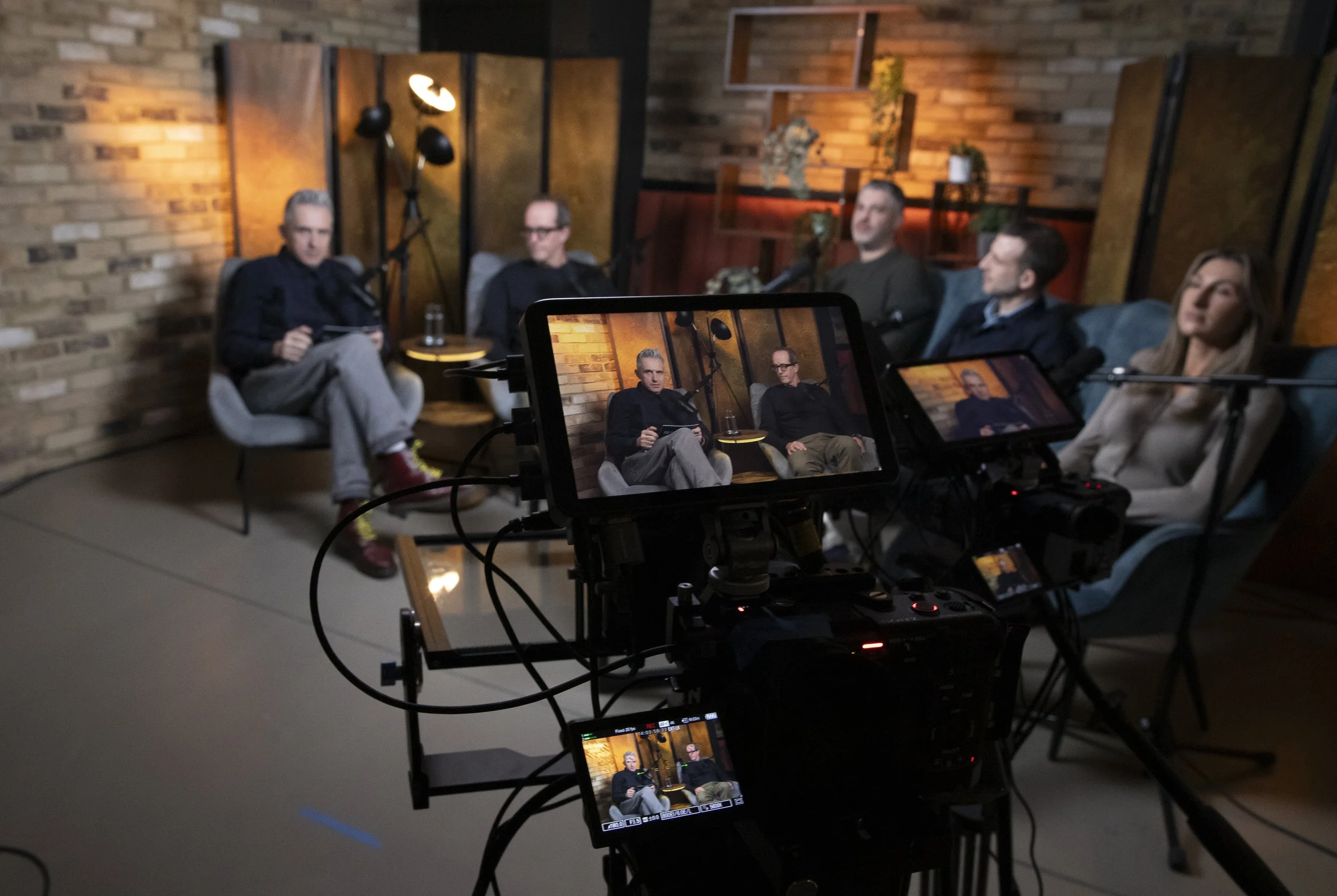
Michael Semp is navigating a different kind of pressure entirely: a business that's doubled in size through a merger, now operating under private equity ownership, in a market he describes as flat, with real geopolitical uncertainty behind it.
"When you're in private equity, there is a strong possibility that you could develop real short-termism, which you don't often have as an independent."
His answer has been to focus on the levers that actually drive sustainable growth rather than volume: better quality clients, margin protection, and mining existing relationships harder rather than chasing new logos. The hardest internal shift, he says, has been getting a fundamentally creative team to understand commercial reality without ever making them feel like they're just feeding a machine.
The Cost of Hypergrowth
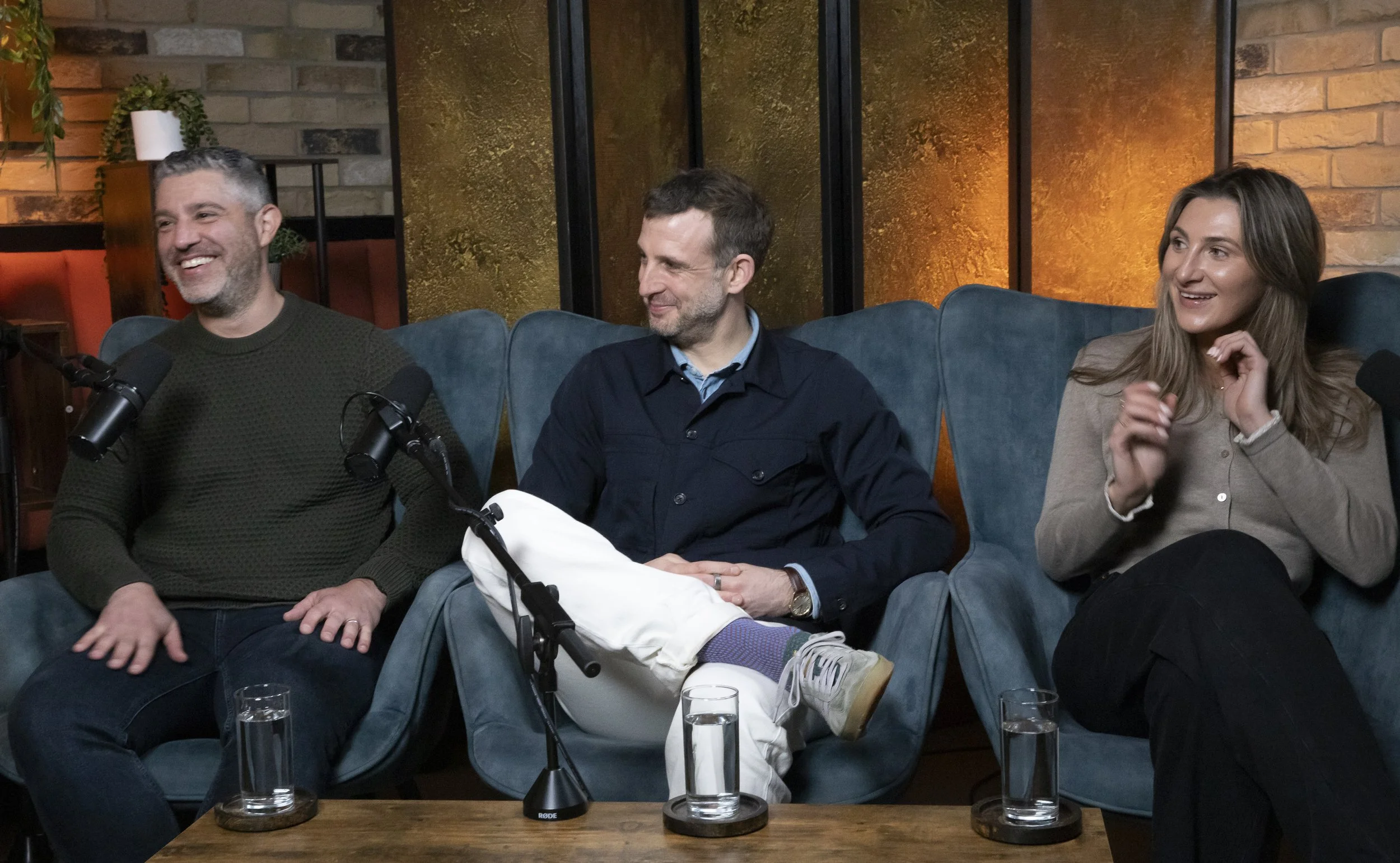
Oliver Bradley built his agency's values five years ago and watched the business outgrow them within twelve months.
"Growth and culture are kind of opposing forces, aren't they? Sometimes you're growing really fast and culture takes a minute to catch up."
Rather than papering over the gap, Oliver's team ran a full values reset, surveying leadership, asking staff to describe the agency in their own words, and bringing in an outside voice to help reframe what they already believed into something more tangible. The new values turned out to be close to the original ones, which he sees as a good sign. What changed was how deliberately they're now embedded, including a flat bonus structure where everyone gets the same reward if the business hits target, or nobody does.
Growing Without Losing Yourself
Lara Ballard took the opposite route from the start. Rather than treating growth and culture as forces in tension, her agency has tried to grow only in ways that protect what makes it distinctive in the first place.
"If we lose that, we lose our full identity of who we are."
That's meant turning down commercially attractive briefs that don't fit the team's strengths or interests, even when the budgets were significant. The long-term logic: a slightly smaller win with a team that genuinely wants the work tends to outperform a bigger win nobody's excited about, both in the quality of the output and in how long the client stays.
Four Agencies, One Question
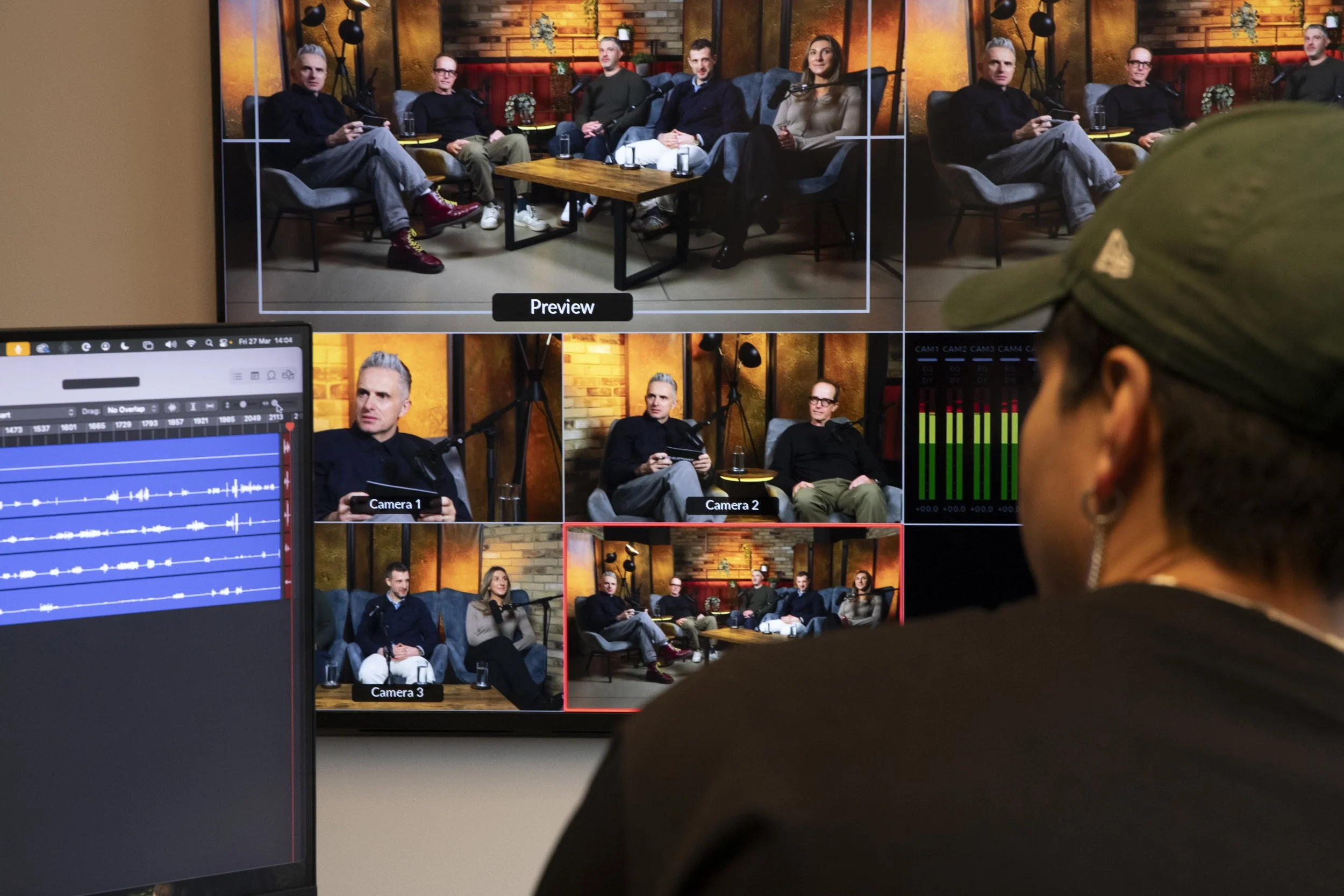
None of the four are running the same business anymore, and none of them are chasing the same definition of success. Guy restructured around licensing because services alone stopped being the growth engine. Michael is learning to defend a business quarter by quarter without losing sight of the three-year plan underneath it. Oliver rebuilt his agency's values from the inside once growth had already outpaced them. Lara has spent years proving that saying no to the wrong client can be a growth strategy in its own right.
Put side by side, the four approaches don't agree on much, except that nobody at the table still equates a bigger office with a better business.
About Supo:
Supo provides people-first intelligence software for professional services firms, helping businesses maximize profit and motivate their people through powerful, AI-enabled business intelligence dashboards. By connecting over 500+ platforms and providing real-time data analysis, Supo helps firms make better data-driven decisions about their profit, projects, and people.
For more information about Supo: www.supo.co.uk
About Guy Wieynk, AnalogFolk:
Guy Wieynk was Global CEO of AnalogFolk Group for six years, where he pivoted the traditional agency into a technology platform builder. Within three years the business had two platform companies operating at commercial scale: Untold Fable, a content production platform working with over 8,000 creators for clients including L'Oréal and Monzo, and Otomo, an AI-powered creative automation SaaS business used by 45 brands globally. Guy has since moved into a board advisory role and co-founded the UK arm of 24 Hour Business Plan, a growth advisory that has delivered value creation work across more than 200 companies in 14 countries.
For more information about AnalogFolk: https://www.analogfolk.com/
About Michael Semp, Sassy+:
Michael Semp is CEO of Sassy+, an award-winning production powerhouse of over 80 storytellers and technology specialists delivering content solutions to brands and businesses globally. Built on more than 30 years of experience across live streaming, hybrid events, branded content and broadcast PR, Sassy+ has delivered work for clients including Honda, ABB Robotics, Audible and Zeekr, operating its own studios and post-production facilities to run the full production process in one place.
For more information about Sassy+: https://www.sassyplus.com/
About Oliver Bradley, Words+Pixels:
Oliver Bradley is MD and founding partner of Words+Pixels, a 100% independent communications agency ranked in PRovoke's Top 100 Agencies in the World and named Consultancy of the Year by PRWeek, PRCA, CIPR and PRovoke. Words+Pixels works across consumer, corporate and B2B communications for brands including Back Market, PUMA, Red Bull and Michael Page, and has featured in the FT1000 list of Europe's fastest-growing businesses two years running.
For more information about Words+Pixels: https://www.wordsandpixels.co/
About Lara Ballard, Komodo:
Lara Ballard is Managing Director UK at Komodo, a global social marketing agency with offices in London, LA and Sydney. She leads the agency's UK growth and business development strategy, delivering standout experiential campaigns and social activations for brands including L'Oréal, Meta, Kérastase and Penhaligon's, working with creators and clients across the beauty, fashion and lifestyle sectors.
For more information about Komodo: https://www.wearekomodo.com/
If growth and culture really do pull in opposite directions, is the goal to balance them, or to stop treating them as opposites at all?