

Podcast
The secret to driving efficiency and growth.
Emily Cousins helped name Realtime and grow it from two people to nearly 90. On That Moment, she talks about the difference between wanting to leave and being ready to, why the people side of a business matters even more in the age of AI, and what a single hiring call taught her about being decisive.
Katy Stolliday never planned to start a company and says she didn't feel brave enough to do it alone. She said yes anyway, and Blurred launched in 2018. On That Moment, the Co-Founder and Chief Client Officer of Blurred talks about "blurred briefs", turning down clients who don't share your values, and why confidence comes after the leap, not before it.
Three agency leaders, one uncomfortable truth: culture isn't the away day, it's the policy. Hilary Gray from Propeller Group, Emily Cousins from Realtime. and Jana Garous from DG Solutions talk through what actually breaks first when growth outpaces people, and why the costliest mistakes rarely show up where you'd expect.
Megan Morass built Full Fat into the largest music and festival communications agency in Europe, then watched the founding partnership collapse and take the business's financial stability with it. This episode covers that turning point, why she believes culture needs money to survive, the Cultural Resonance Index she spent four years building, and why she's chosen to lead openly about her own mental health rather than mask it.
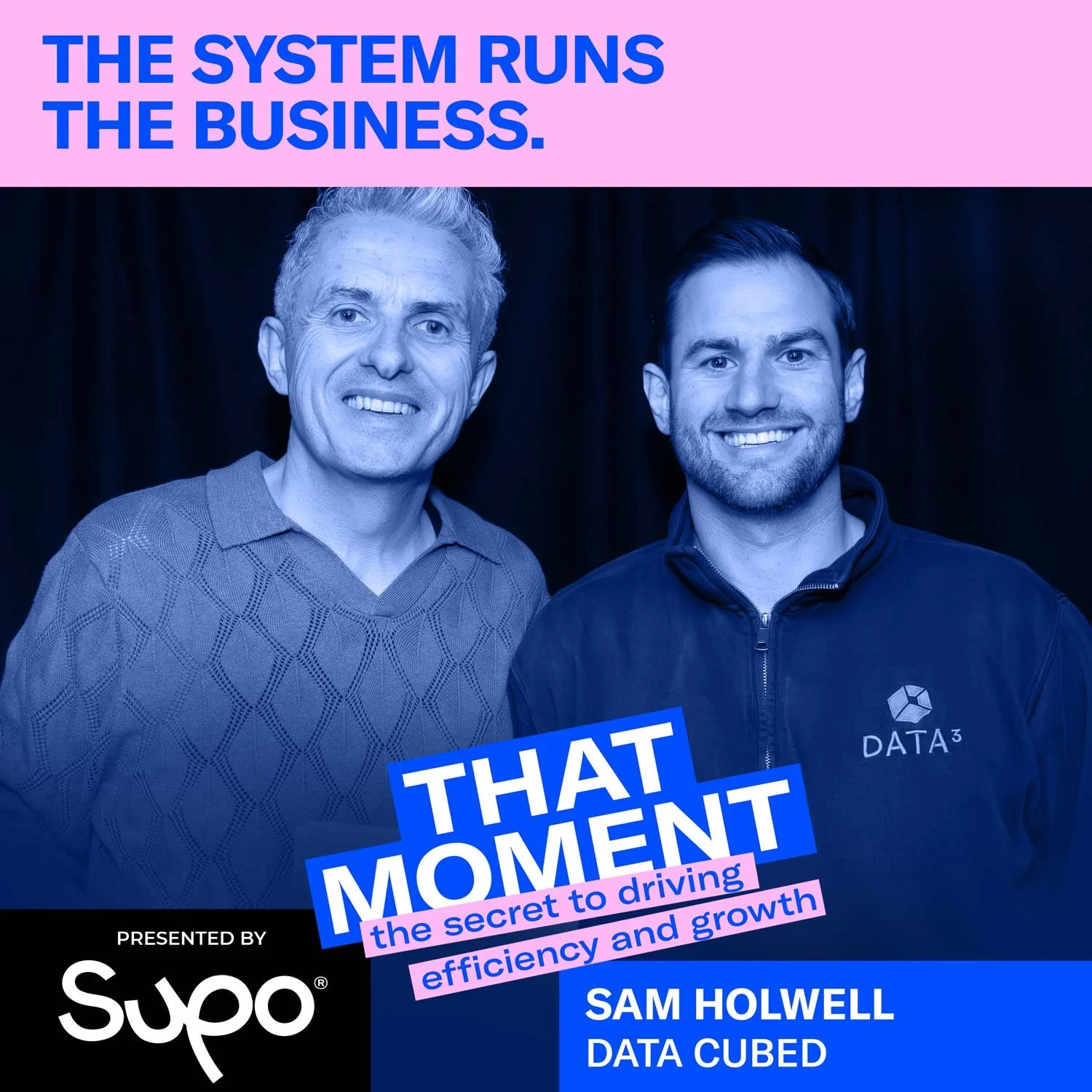
Sam Holwell, Managing Director of Data Cubed, hit the million-pound revenue milestone and realised it didn't mean what he expected. The business had been optimising for growth without the operational scale to match, until a conversation with a leaner, smaller partner sparked a pivot: run lean, let profit follow. Margins improved almost overnight. This episode covers that shift, the early bet on AI two years before clients were asking for it, and what Sam would still change about the business today.
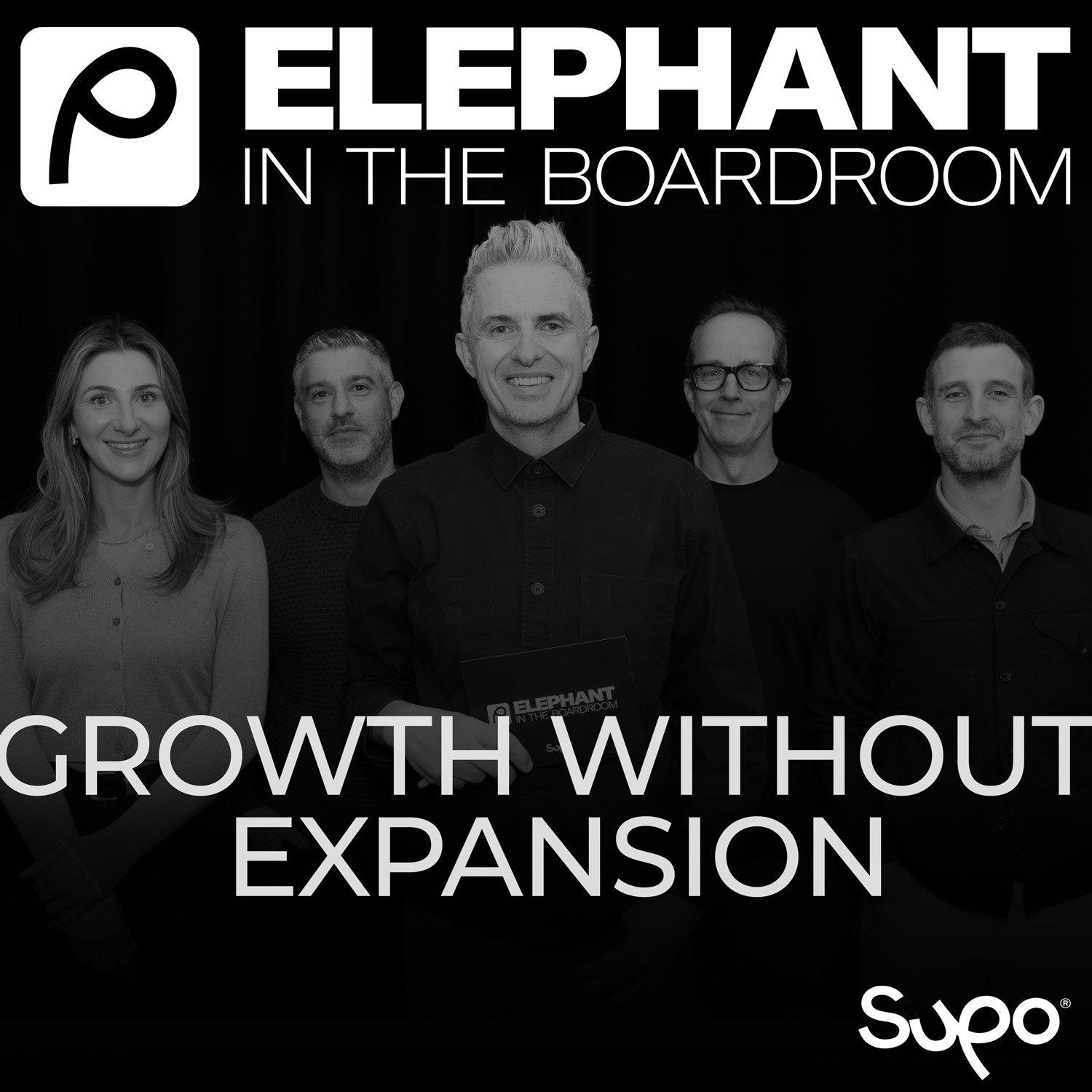
Four agency leaders, four different bets on what growth actually means. Guy Wieynk restructured around licensing. Michael Semp is navigating private equity discipline in a flat market. Oliver Bradley rebuilt his values after hypergrowth outpaced them. Lara Ballard grew by learning what to turn down. This roundtable argues that bigger was never really the point.

Lauren Tauben built a career on relationships. Started at MK Saatchi in the late 90s, became the force behind some of Nintendo's most iconic campaigns - including the legendary Wii Sports Resort launch at NEC Birmingham. Then she sat at a kitchen table with a housemate and decided to start a social, performance and PR agency. Without a pitch deck. Without cold calling. Just relationships. This is how Agent 42 built a global brand.
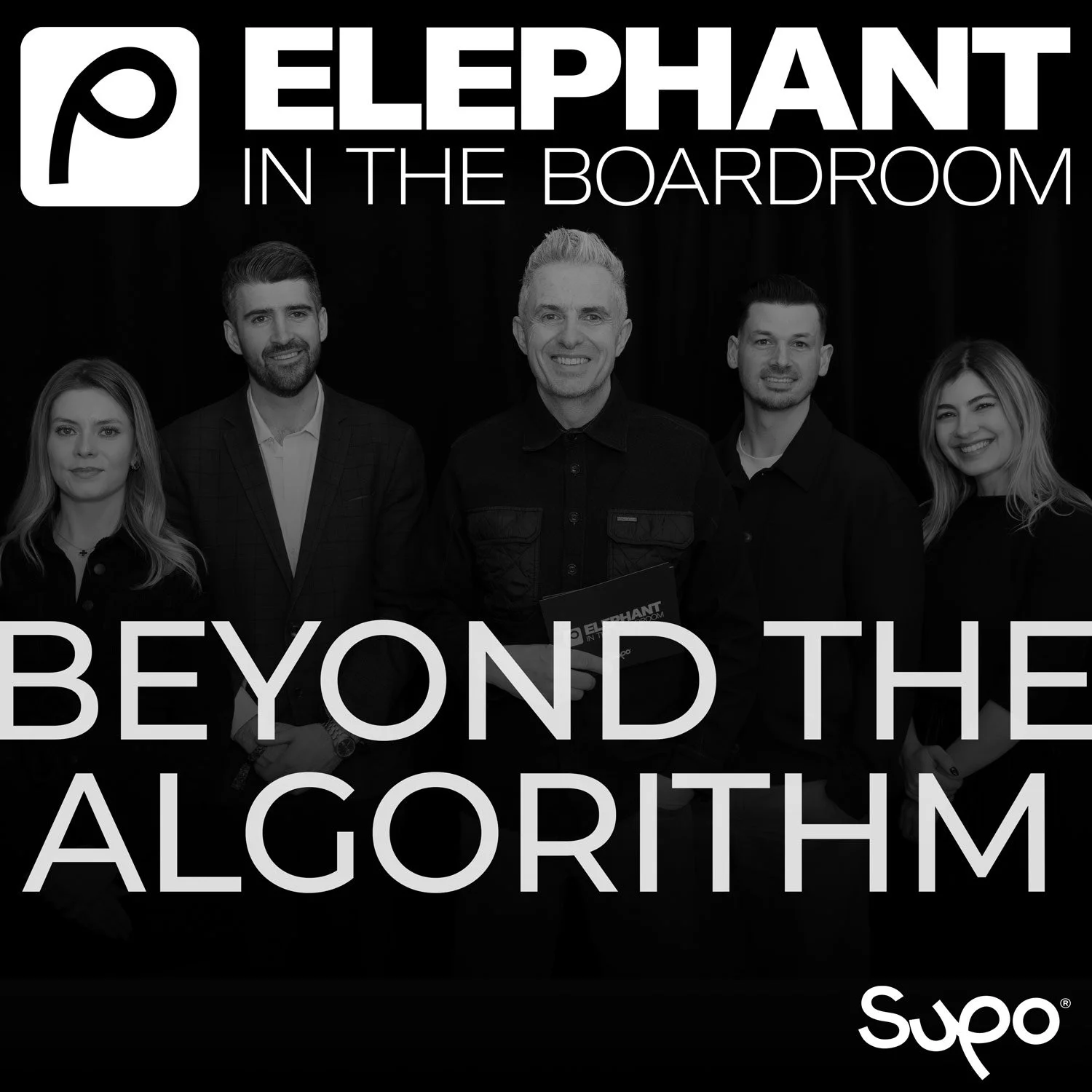
Four guests, four different answers to the same question: follow the algorithm, beat it, or ignore it entirely? Joel Williams builds on Mastercard's transaction data. Alice Johnston treats creators as intelligence systems. Simon Brading relies on handwritten letters over mass outreach. Jemima Myers optimises for user intent, not platforms. This roundtable argues there's no single right approach, just four ways of staying ahead of a system none of them fully trust.
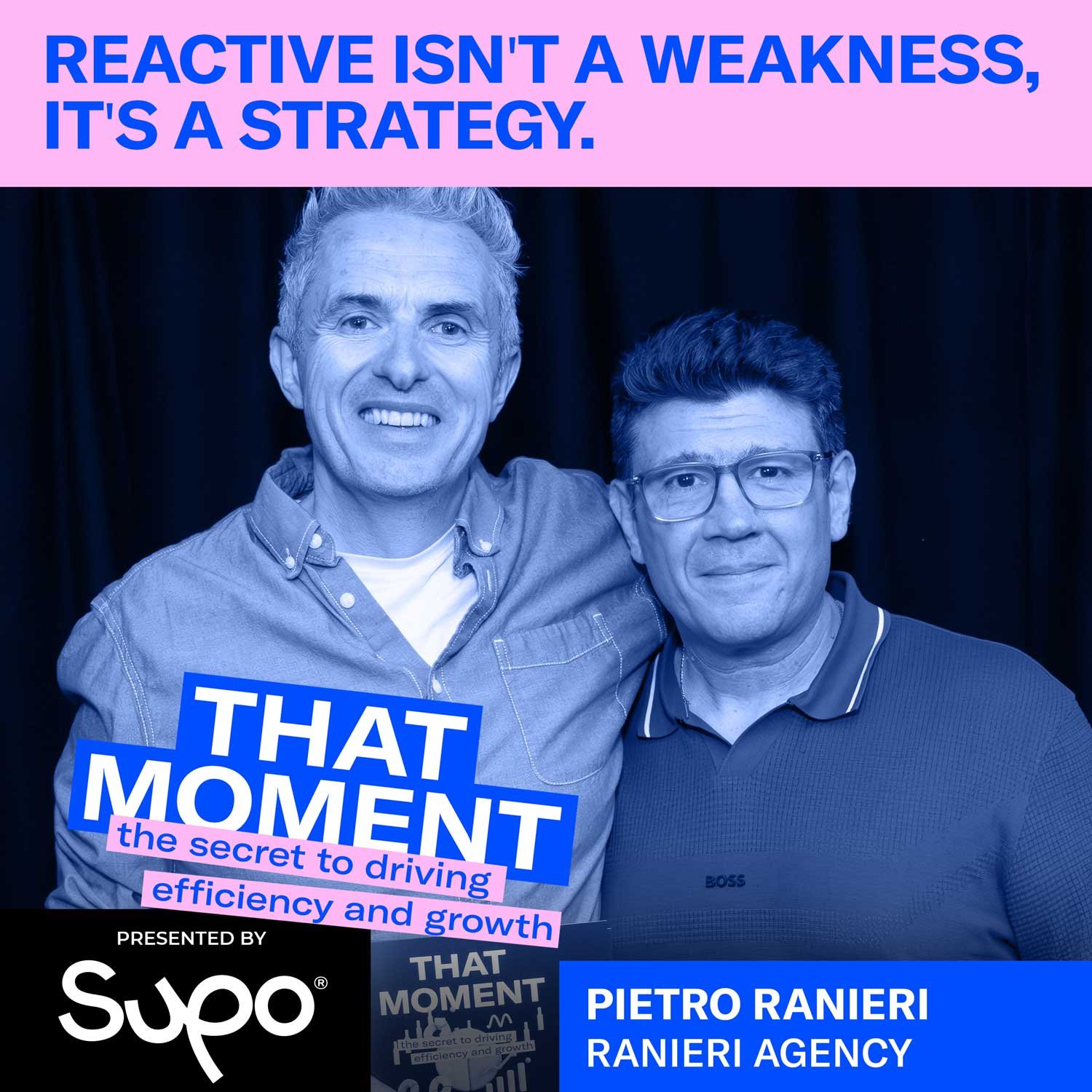
Pietro Ranieri came from agricultural college. Wasn't a business guy - still isn't, by his own admission. Fell into PR for Apple accessories by accident, then built a boutique agency in London. Made the decision to go European. Everything looked brilliant until a public company acquisition collapsed spectacularly. Share prices imploded. Investment money vanished. He was the last man standing. This is the story of what it costs to rebuild from nothing, and why sometimes being reactive instead of proactive is exactly what saves you.
The last few years have tested every agency in the country. Some survived. Some stabilized. Most lost something harder to measure: confidence. But confidence can be rebuilt. This episode brings together three people who see the agency world from completely different vantage points - a finance specialist, a relationship audits expert, and a client service strategist - to explore what ambition actually looks like now, and why calculated risk beats reckless growth every single time.
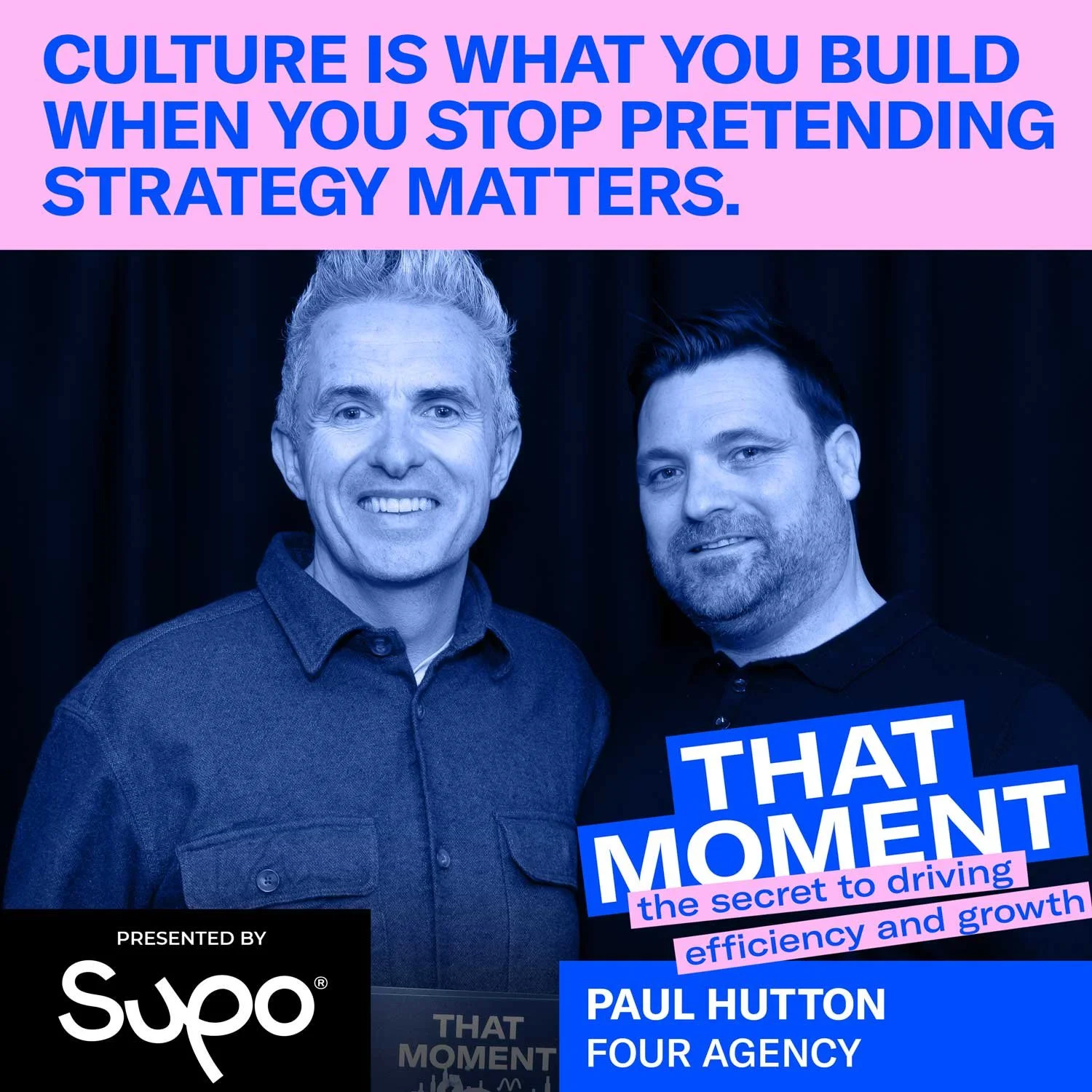
Paul Hutton broke his neck before he turned professional. Then he joined the police. Then covert operations in the Caribbean. Then he learned to code. Then he exited a software business he built. And then, three weeks into becoming CEO of a 63-year-old agency, a client looked at him and said: "We thought you just did the boring PR bit." That moment changed everything. This is the story of what culture actually is, why it matters more than strategy, and what it takes to rebuild it when nobody's paying attention.
The last few years have tested every agency in the country. Some survived. Some stabilized. Most lost something harder to measure: confidence. But confidence can be rebuilt. This episode brings together three people who see the agency world from completely different vantage points - a finance specialist, a relationship audits expert, and a client service strategist - to explore what ambition actually looks like now, and why calculated risk beats reckless growth every single time.
Agencies are getting faster. Not because they've hired more people, but because AI has changed how work gets done. But faster isn't the same as more valuable. David Finch (Thinking In Fields), James Holden (Holden Thinking), Simon Douglas (Curated), and Lewis Wilkins (Future Strategy Club) tackle the uncomfortable question: if work takes less time, should it cost less money? And more importantly - what are agencies actually going to charge for next?
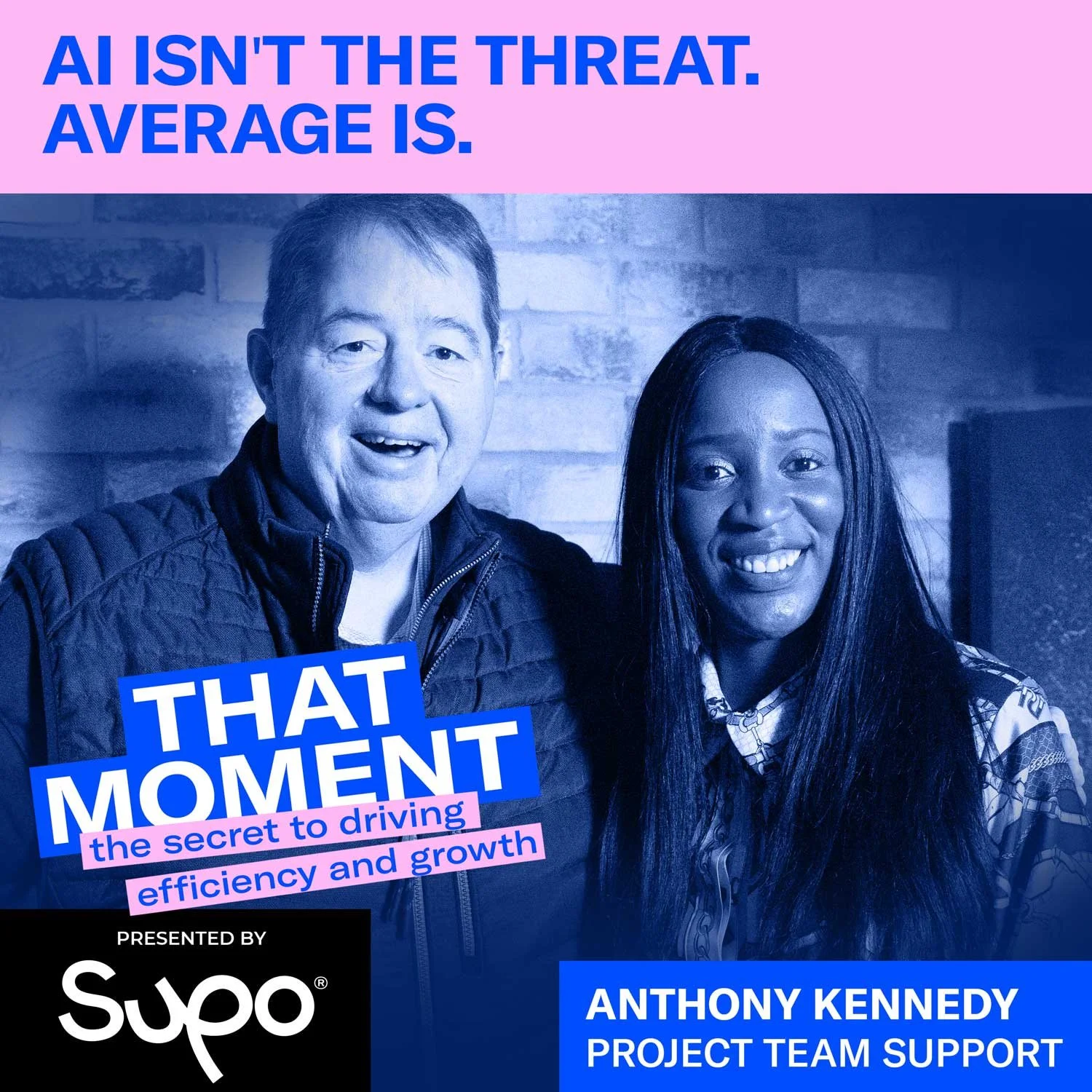
Anthony Kennedy has built in-house teams inside some of the world's biggest organisations - Goldman Sachs, KPMG, ION. He's led through change, scaled globally, and watched what actually survives when technology transforms the work. Now independent, he's advising leaders on AI adoption and the future of marketing. This episode is about what matters when the machines arrive. And it's not what you think.
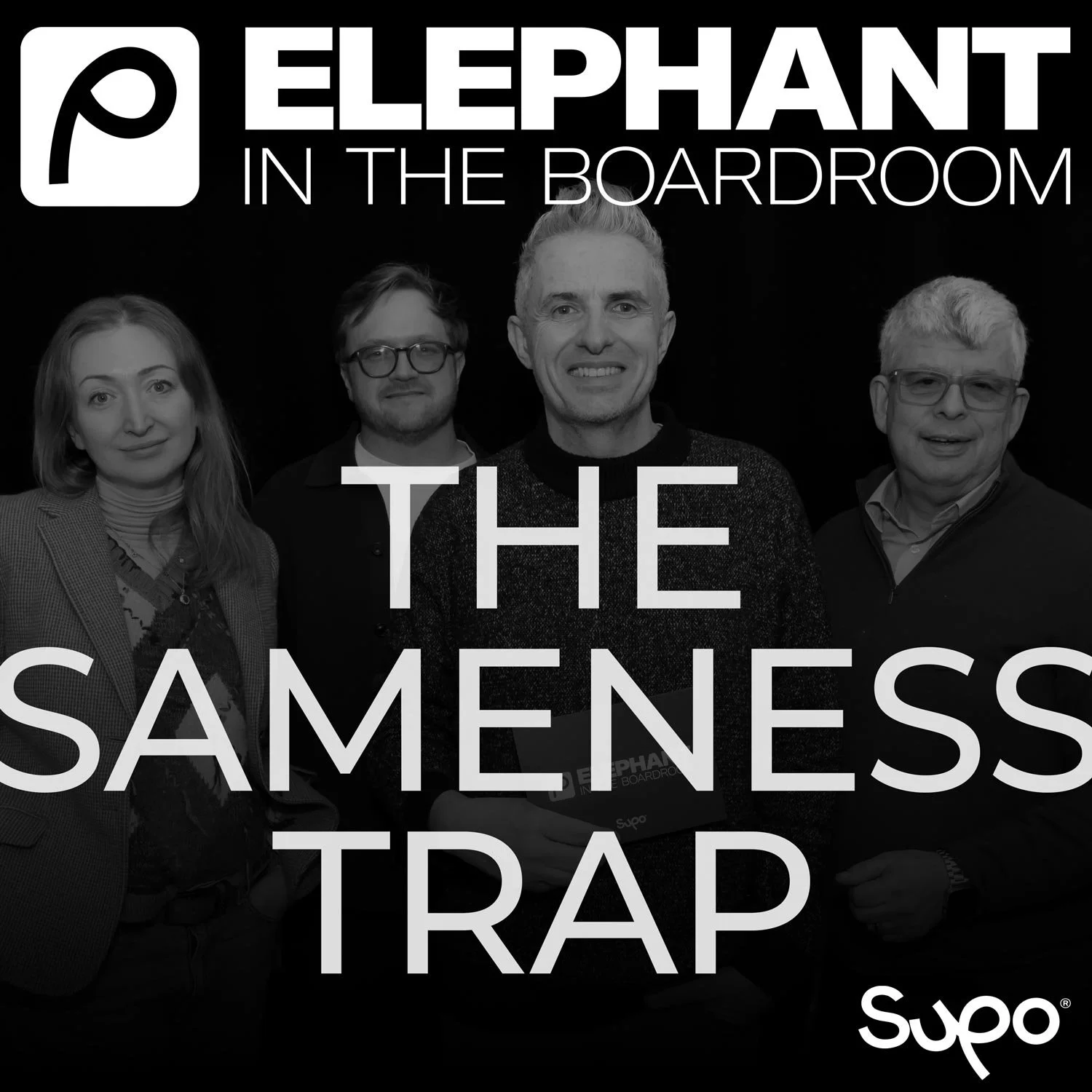
Most agencies look the same to clients. They pitch the same services, compete on price, and wonder why they're not winning. Jeremy Stern (PromoVeritas), Scott-Ashley Whiteley (Blott), and Alona Malinovska (Webgains Global) have each found a different way out of the trap. One narrowed relentlessly. One built conviction around storytelling. One changed the payment model entirely. This episode is about what actually works when everything else is broken.
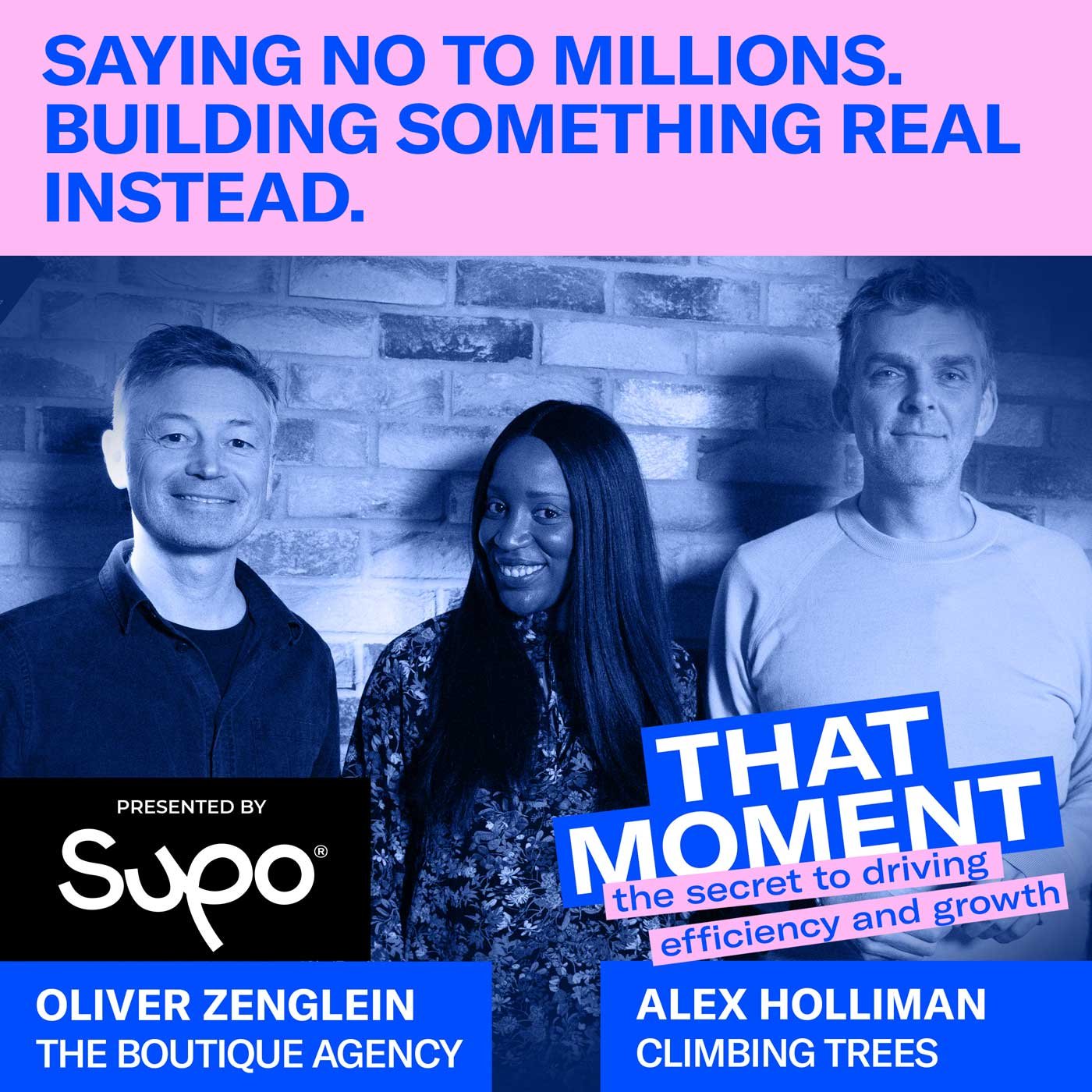
Alex Holliman and Oliver Zenglein run performance marketing agencies in different countries. They've both turned away millions in business. Not because they couldn't win it. But because they wouldn't. This episode is about what happens when two founders decide that profit without purpose isn't actually growth - and how finding each other made the lonely road feel less isolating.
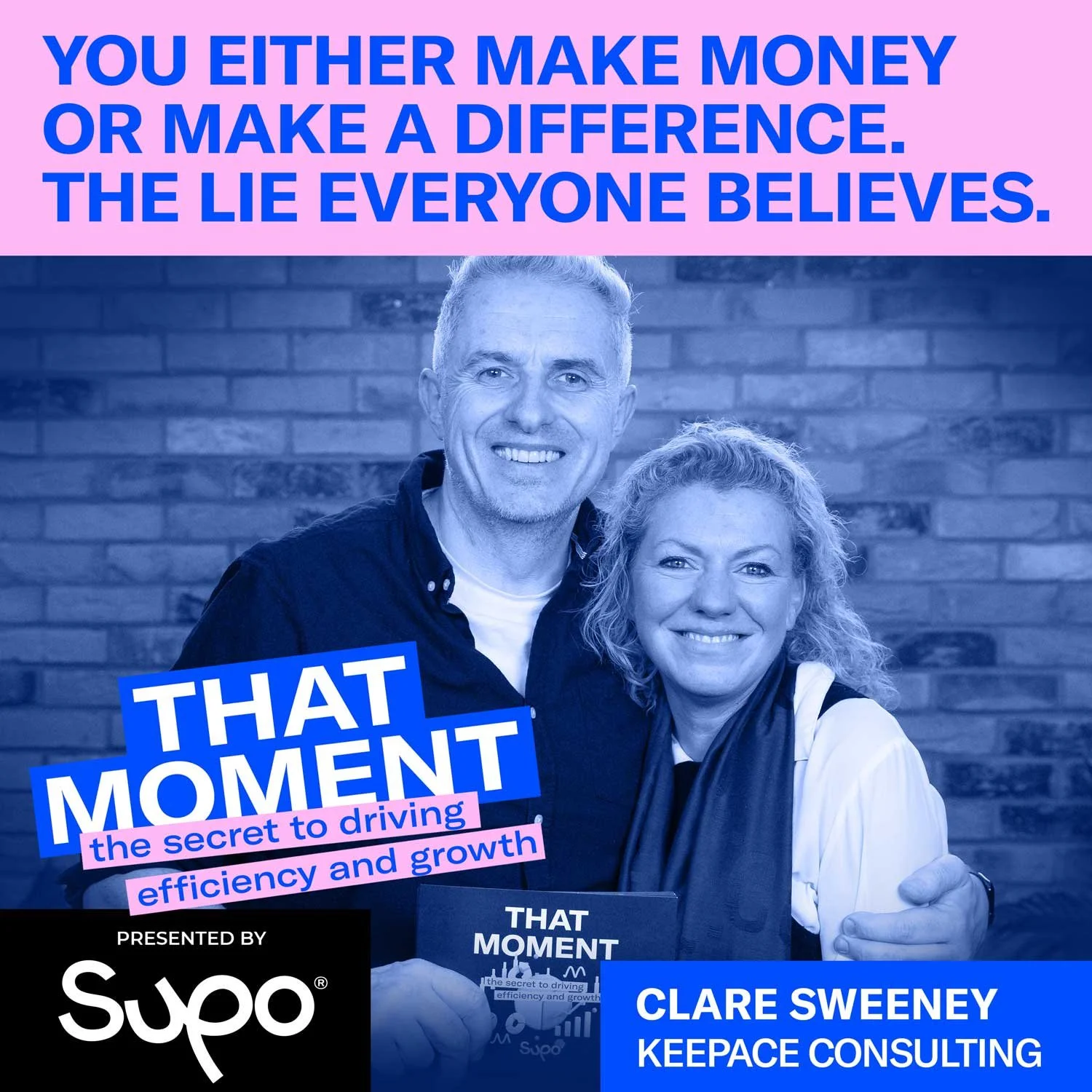
Clare Sweeney spent years in commercial - CRM, FMCG, brand development. Then in 2012, a friend's son received a life-limiting diagnosis and Clare volunteered a year to help set up a charity. When she went back to agency, she couldn't feel the same about it anymore. So she built Keepace Consulting - proving the lie that you choose between profit and purpose. They don't compete. They multiply.
They pitched against ten other agencies for West Midlands Metro. They beat Midlands and national agencies for MG Motor UK. And they did it all from Shropshire and Birmingham. Lennon Kelly helped make that happen - and he had Coca-Cola, Unilever and Nokia on his CV when he chose to do it.
Lennon Kelly is Client Services Director at M3, a West Midlands agency that's grown from £4 million to over £6.5 million, expanding to Manchester, Dubai, Cardiff and Bristol. But when Lennon joined in 2019, M3 was already punching above its weight with global brands like MG and Harley-Davidson on the roster. What he saw wasn't a regional limitation - he saw a unique proposition that others had missed.
Most people assume you need to be in London to work at the highest level. Lennon spent his formative years proving that wrong. At 28, just a year into agency life, he was put in boardrooms with Unilever. He worked on Nokia's 2310 relaunch. He got exposure to GSK's medical research alongside Aquafresh campaigns. And Coca-Cola - the biggest brand in the world - taught him something he's never forgotten: the responsibility is huge, and it makes you push yourself.
Agencies spend millions on paid media every year, yet the most powerful channel they have often sits unused. Not a platform. Not an ad format. But the people at the top of the business. Founder-led and executive-led influence isn't about becoming a creator. It's about trust, credibility, and showing up where decisions are made.
Jonathan Healey has been with the same agency for 18 years - through acquisition, growth, becoming MD at 33, and now stepping into Group Technology Director at IDHL. Most people jump between companies chasing the next thing. Jonathan stayed, evolved, and redefined himself at each stage. This episode proves some careers aren't built by starting companies - they're built by staying when it matters and taking responsibility when the moment demands it.

Jeremy Williams sold his B2B marketing agency for £11 million, then spent three years in the earn-out trenches. Now he coaches agencies toward exits of their own - and he's distilled everything into seven principles. Revenue growth, profit growth, succession planning, blue chip clients, proprietary IP, transparent numbers, and that cherry on top. This Study Edition reveals the framework buyers actually use when they write the check.
Rob Sherwood spent years certain he knew what he wanted - until every door he chose led nowhere. Marketing placement? Boring. Telecoms sales? Dry. Amazon FBA? Catastrophic. Then a friend offered an agency role he'd already turned down once, and everything finally made sense. This episode proves the best career moves are often the ones you don't plan.
How do you walk away from 350 employees and a JSE listing to start over solo? Byron de Carvalho from Be Guided had the dream exit - then abandoned it. "It wasn't that it wasn't enough. It was just too much." This episode asks: when do you walk away from success? And how do you build a business that serves your life instead of consuming it?
What if landing your dream client was as simple as being honest about wanting to work with them? Daisy Whitehouse proved it works. One DM to her dream client led to the Boddingtons campaign years later. Thirteen years running Down at the Social taught her that PR with purpose beats PR for PR's sake - and challenging clients matters more than saying yes to revenue.
What happens when you spend 18 years building brilliant websites, become an Umbraco Platinum Partner, help grow a global community from 70 people to thousands, and then realise nobody cares because every other agency is saying the same thing?
Everyone's obsessing about AI transformation… Which tools to use, which processes to automate, which competitors are moving faster…. But James Holden saw what everyone else was missing: it's not about the technology. It's about helping humans flourish alongside it.
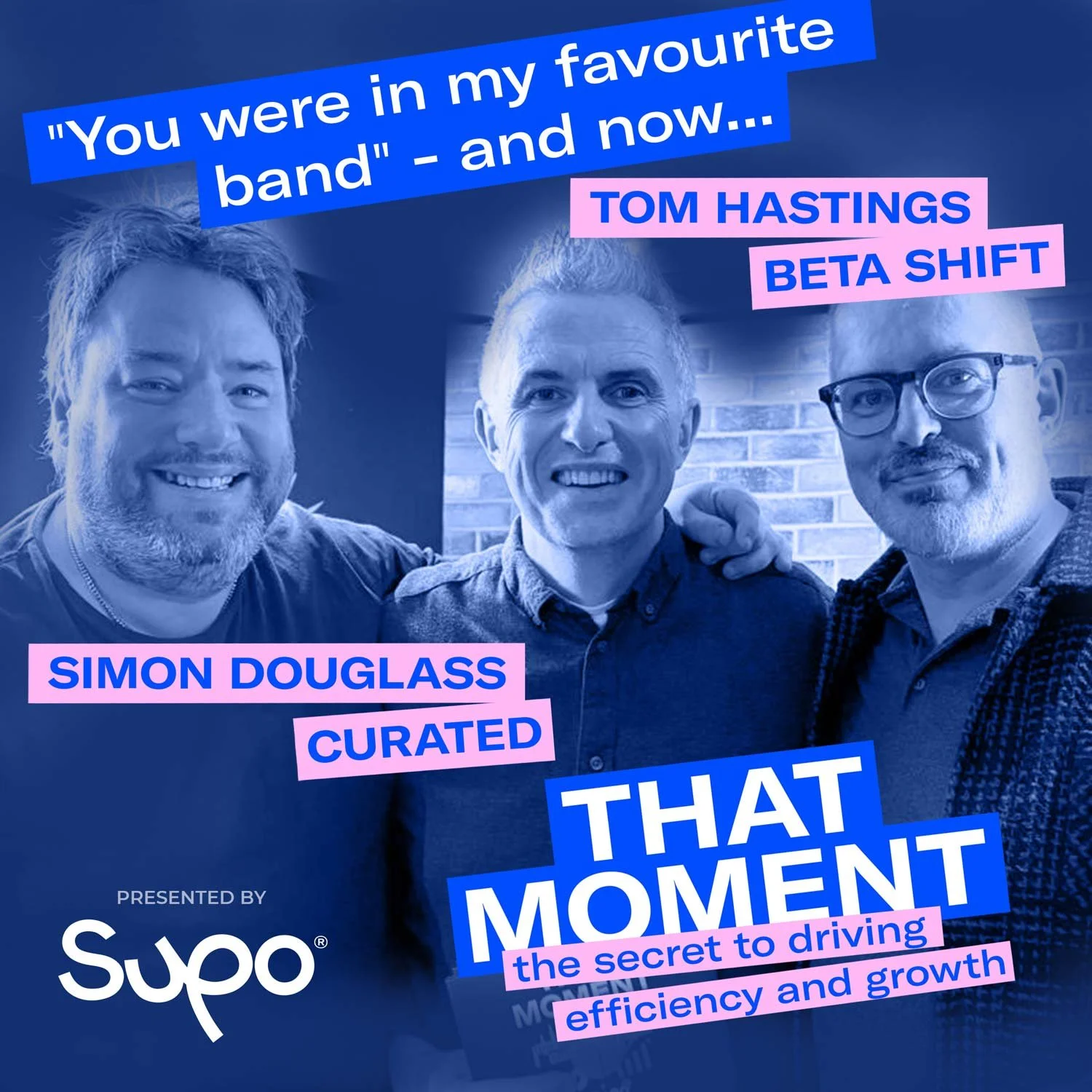
"My favourite band" turned into "my business partner." Simon Douglass and Tom Hastings approach AI training with completely opposite styles, experimental versus structured, practical versus theoretical. They've never disagreed because productive tension creates better outcomes than comfortable consensus.
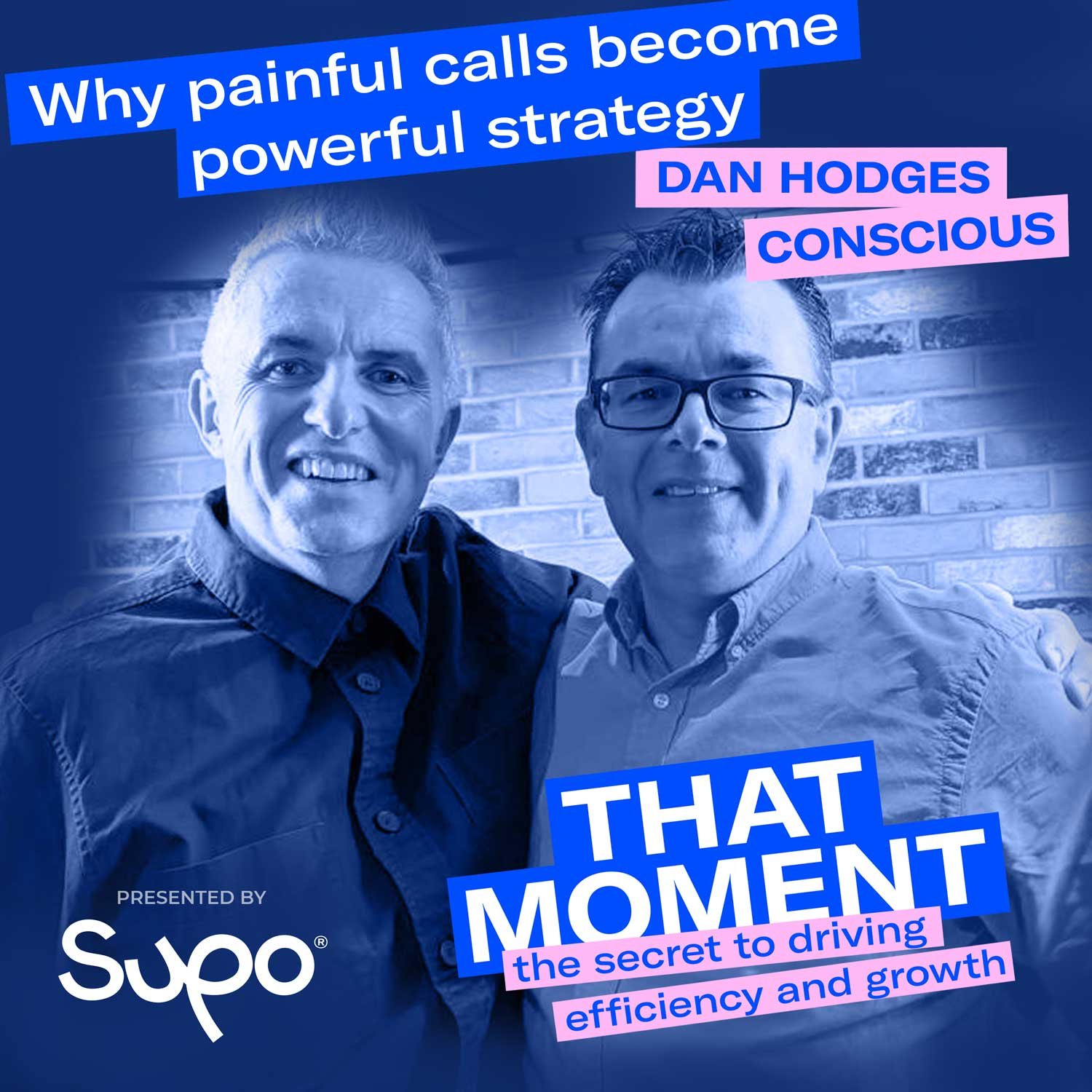
What happens when you've been the client avoiding account management calls because they're painful, then you join the agency and find yourself delivering the exact same calls you used to dread? Most people would defend the system. Dan Hodges changed it completely.

"The more you push back, the more respect you get." Aggie Meroni built White Bee Digital on a counterintuitive truth: boundaries don't lose clients, they earn trust. Why she caps clients at ten, fires anyone who touches the ad account without permission, and refuses to perform success when the reality is crying business owners and cash flow anxiety.
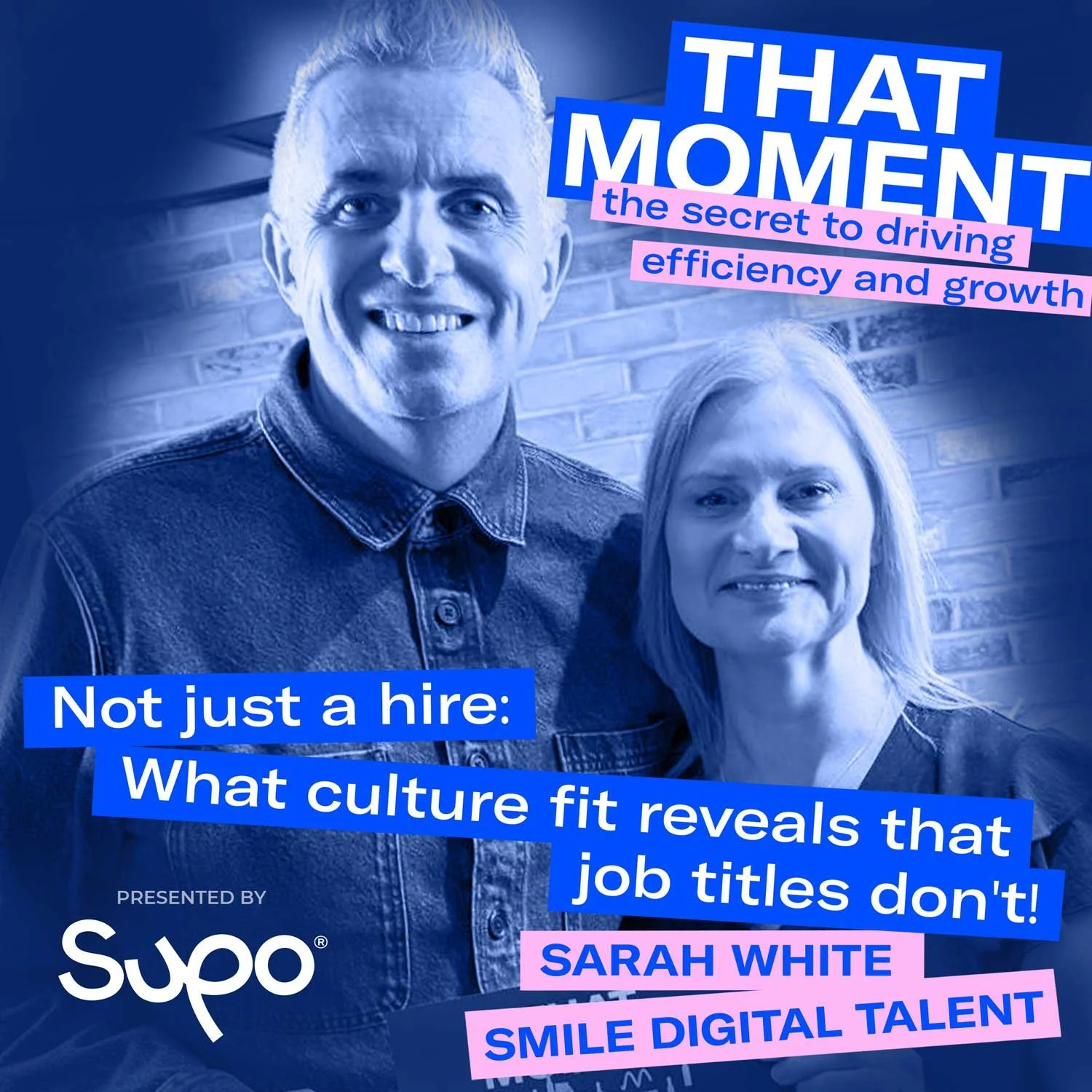
Sarah White spent 25 years in recruitment building a reputation on honesty that costs placements. Her biggest eureka moment? Realising she'd been driving other people's businesses like her own long enough to actually own one. Smile Digital Talent operates on relationships, not transactions.